What one architect's principles can teach leaders under pressure
“Change is disturbing when it is done to us, exhilarating when it is done by us.”
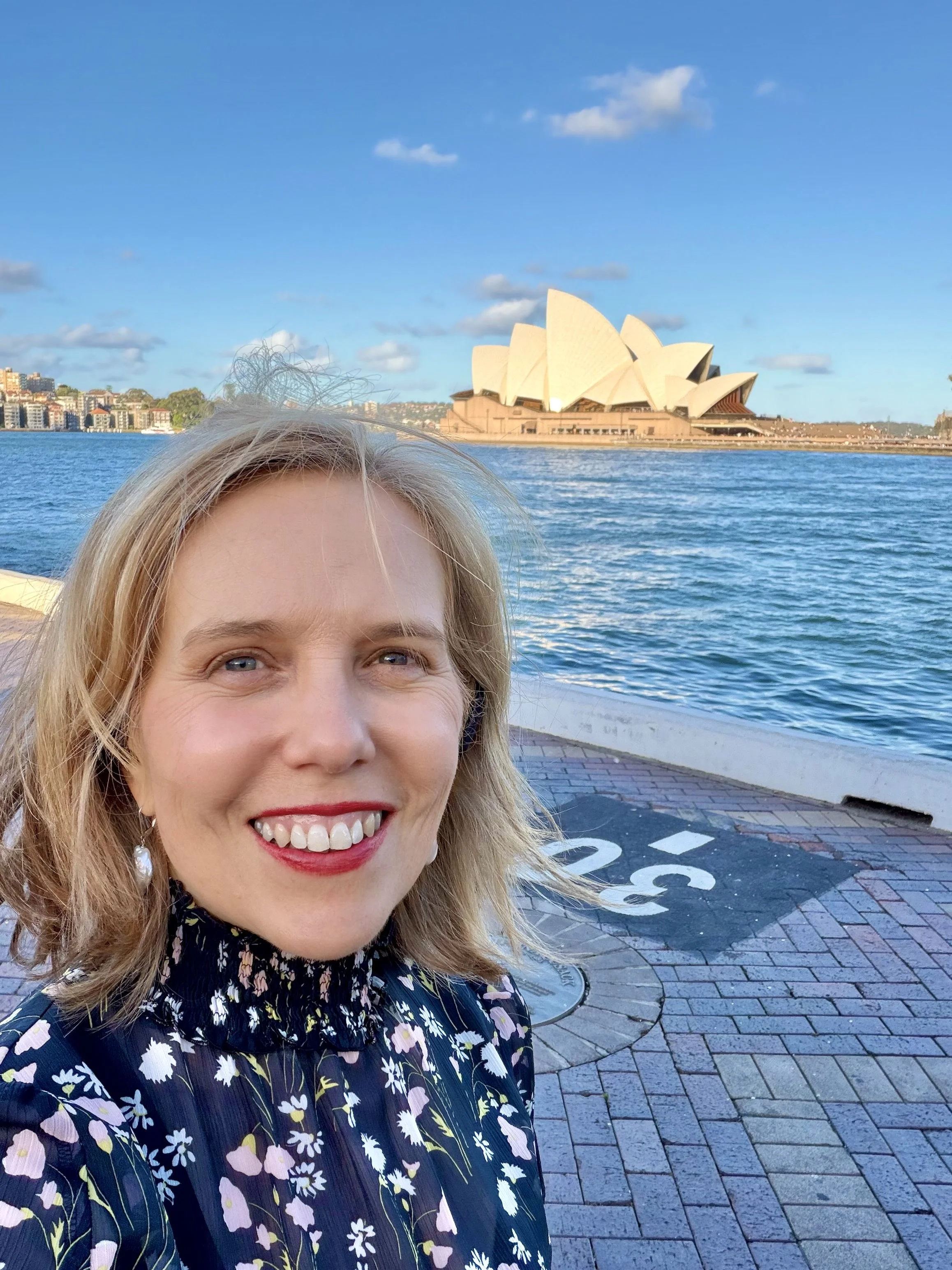
On a lovely sunny late afternoon in Sydney recently, I walked the harbour path from Darling Harbour to Circular Quay. Turning the corner towards the Opera House, I marvelled once again at its design. I believe good architecture is a mark of a civilised society, and I think Premier Joe Cahill was bold to champion something so far ahead of its time.
Yet its architect, Jørn Utzon, never saw it finished.
The architect who left, and was later asked for help
In 1965, a new state government wanted firm costs and completed drawings while Utzon was still developing the interiors. In February 1966, after the government withheld payments, Utzon left, writing to the minister, "You have forced me to leave the job." He returned to Denmark and never set foot in Australia again. When the Queen opened the building in 1973, his name was never mentioned.
Over the following decades, others changed the building without a shared sense of what to preserve.
In the late 1990s, the Opera House Trust asked Utzon for help. At 80, he agreed to work from Denmark with his son Jan and Australian architect Richard Johnson.
In the Design Principles published in 2002, Utzon set out what mattered most about the original design and gave future architects room to adapt it.
How small compromises can change the way we lead
I think many leaders go through something similar to what happened to the building, often without realising it. We rarely make a conscious decision to abandon what matters to us. Instead, we make small adjustments to meet the demands of the day.
A leader who values thoughtful decisions starts making rushed ones because everything is urgent. Someone who believes in developing their people begins making decisions for them because it's quicker.
Each adjustment seems reasonable at the time, and research shows that when people’s standards slip in small steps, they tend to go further than they would if the change came all at once. Over time, we can find ourselves leading in ways we would never have consciously chosen.
For me, Utzon's approach to his Design Principles is Adaptive Stability in practice. The more clearly we understand what matters to us as leaders, the more freely we can change how we work while remaining true to our values and integrity.
Two ways to put this into practice
Write your own design principles. Name three to five things about how you lead that you want to preserve through change.
Notice where you've started to drift. Think about a recent decision or behaviour that didn't sit comfortably with you. What pressure influenced it?
If you wrote your own design principles today, which three things would you protect, and what would you happily let change?
