The Leadership Skill We Don't Schedule But Sometimes Need Most
By Suzie Thoraval
How adaptive leaders recognise and act on meaningful spontaneous opportunities
“It’s not the note you play that’s the wrong note - it’s the note you play afterwards that makes it right or wrong.”
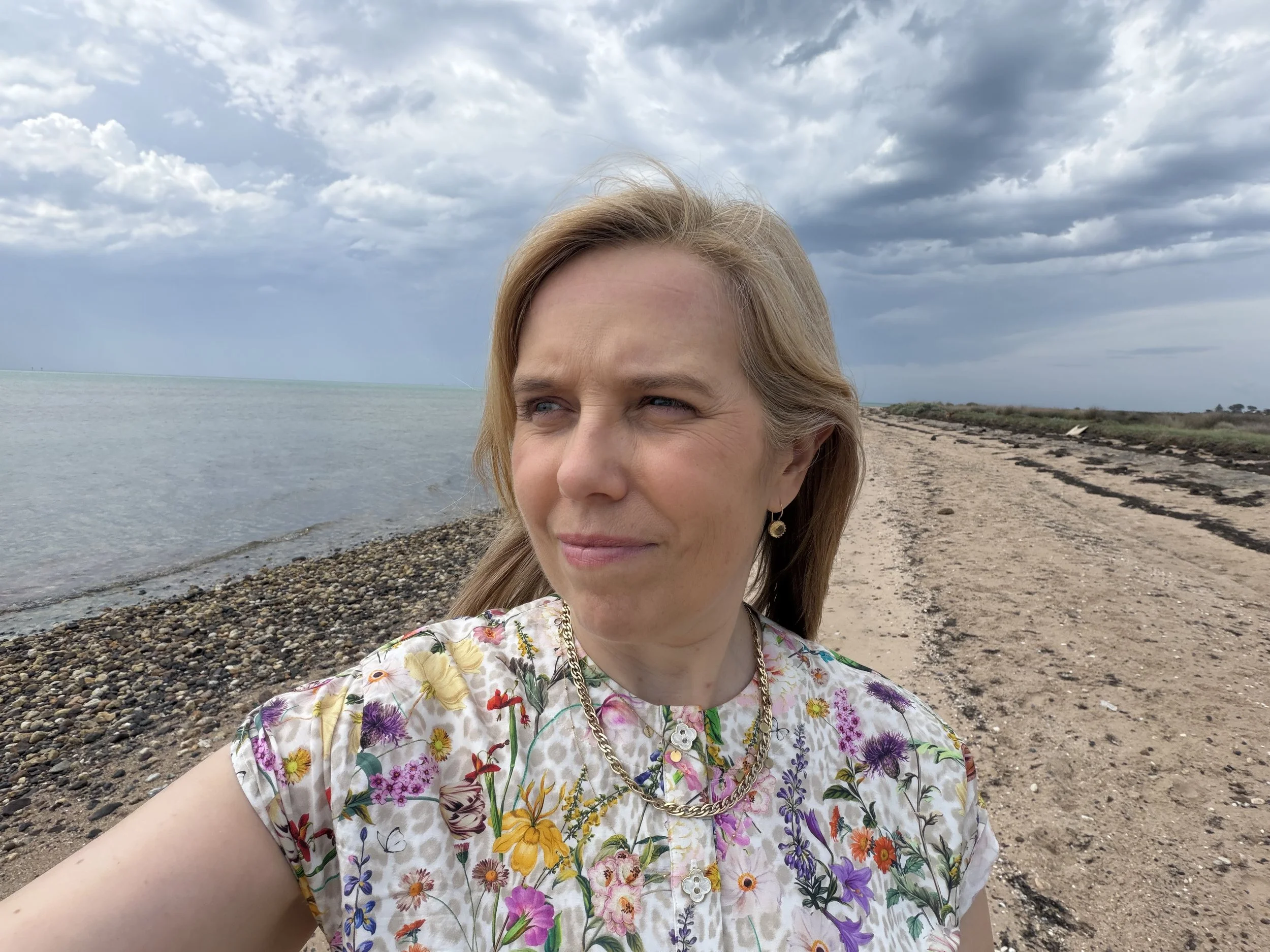
The other day, my friend invited me to the beach on the spur of the moment. I had other plans for the day - a clear list of jobs, tasks and priorities that I had planned to do. I wanted to go. I love the ocean. It helps me to feel calm and replenished. And spending time with my friend is always lovely. Yet, part of me hesitated and almost said no because I wouldn’t get through all of the things I had planned.
I sat with that feeling for a moment rather than just responding ‘no’ as a reflex for protecting my time and my priorities.
I thought about what I’d gain by going. Connection, joy, possibly fresh perspectives on some things I’d been working on. I weighed up how many opportunities like this to go to the beach on a beautiful summer day come along in a year.
Then I thought about what I would have to defer and what would have to wait. I decided that the work I’d planned to do would be there another day and I could make up the time later in the week. So I said yes. And it was a wonderful day.

What has this to do with leadership?
It might feel counterintuitive for leaders to give in to spontaneity. It is often associated with distraction, lack of discipline or procrastination taking you away from priorities.
But experienced leaders know that when you have internal steadiness that comes with adaptive stability, spontaneity can be a strength.
Rather than sticking rigidly to a plan, you respond to conditions that arise. When your mindset is grounded, you have enough space around your ‘must dos’, and you know what helps fuel your energy, you can make thoughtful adjustments to your plans without losing your centre.
Spontaneity becomes a considered response to what’s emerging, rather than a reaction to noise or urgency.
Think of it as walking along a coastline. You have a destination in mind, but the shoreline curves. Sometimes the sand is firm and enables you to go fast on it. Sometimes it’s soft and slows you down. Along the way, you notice rock pools, shells, or a stretch of water invites you to dive in.
Having adaptive stability means you know when to pause, step off your intended path for a while, and when to return to it. Spontaneity gives you a willingness to respond to those moments and adaptive stability helps you to retain your sense of direction.
Taking opportunities can support your leadership
The ‘broaden-and-build’ theory suggests that positive emotions - like enjoyment, interest or joy, broaden the mind’s range of thought and action and build lasting psychological resources over time. So taking these kinds of opportunities can actually build resilience, creativity and adaptability rather than diminishing discipline.
In leadership literature, flexibility and adaptability are consistently highlighted as essential capabilities. Adaptive leadership allows leaders to vary their behaviour and respond as situations change.
This is increasingly important in complex, fast-changing environments.
A calligraphy course that changed the experience of personal computing
Many meaningful leadership moments weren’t planned in advance.
A spontaneous conversation that deepened trust.
A decision to follow curiosity into a new idea.
A pause that created space for insight.
When Steve Jobs took a calligraphy course out of pure curiosity, it was not linked to any of his future plans. Years later, when Jobs led Apple, the experience of calligraphy influenced the design of the Macintosh computer.
It was one of the first personal computers to feature multiple typefaces, proportionally spaced fonts and careful attention to typography, spacing and visual harmony. It influenced all digital design that came after it.
Jobs later explained that without that calligraphy class, the Mac would not have had the same typographic richness.
That seemingly unrelated spontaneous choice to follow his curiosity had an influence on how millions of people experienced personal computers in the future.
As Jobs himself reflected in his 2005 Stanford commencement address:
“You can’t connect the dots looking forward; you can only connect them looking backwards. So you have to trust that the dots will somehow connect in your future.”
Curiosity-led spontaneity, when combined with steadiness and purpose can have a large impact.
Recognising the moments that matter
Spontaneous opportunities don’t always announce themselves as “important.” They may arise as invitations, curiosities or interruptions to the rhythm of the day.
When this happens, it is important to notice the moment and give yourself space to assess whether now is the right time to follow it.
Ask yourself:
Does this opportunity add energy, clarity, or connection right now?
Will saying yes support my longer-term effectiveness, even if it shifts today’s plan?
Do I have the capacity to engage with this fully, rather than squeezing it in but being distracted and stressed about what I’m not doing?
If I say yes, what am I intentionally deferring — and am I ok with that?
These questions enable you to actively decide whether to take the opportunity rather than act on impulse.
Spontaneity as a sign of stability
Leaders who feel overwhelmed often cling tightly to plans because everything feels fragile. Leaders with adaptive stability can loosen their grip, knowing they can recalibrate as needed.
Spontaneity becomes possible when there’s trust in your judgement, confidence in your ability to recover, and clarity about what truly matters.
As you go through the next week, where might a spontaneous act, such as one that invites connection, presence or exploration, support your clarity, energy or leadership presence? What conditions would help you feel confident enough to say yes when that moment arrives?
