Leading Through Uncertainty: Why Adaptive Stability Matters Now
How mindset, flexibility and resilience helps leaders think clearly when conditions keep changing
“You have power over your mind - not outside events. Realise this, and you will find strength.”
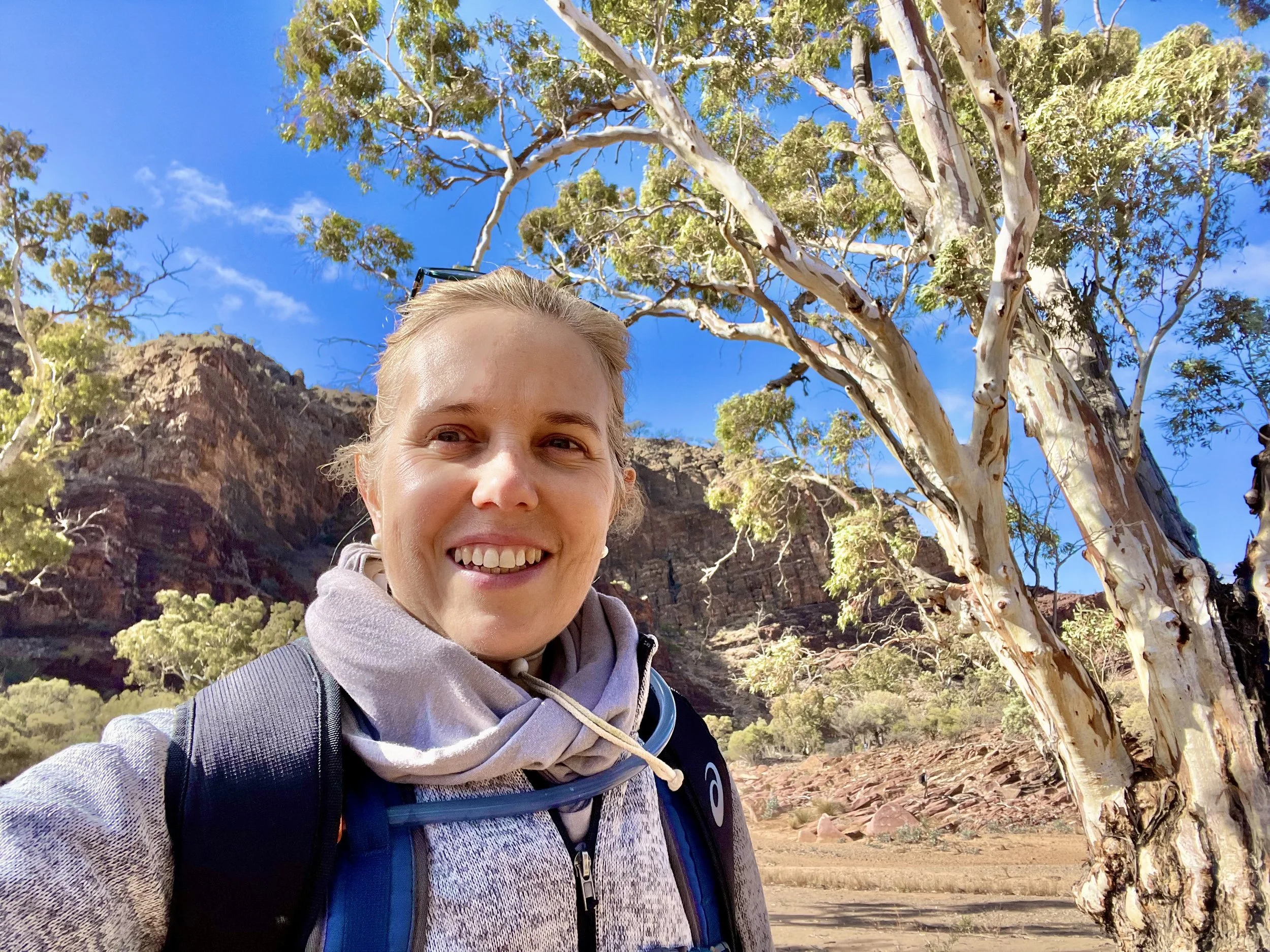
Last year, I travelled with my family to the Flinders Ranges. It is a beautiful, ancient landscape, and you can feel how powerful the environment is. The heat, dry ground, wind and distance all make an impression.
What stayed with me most was the enormous gum trees. They were weathered and marked by the conditions around them, with strong trunks rooted firmly into the earth and branches that seemed to have adapted over many years. They withstood harsh conditions, drought, floods and strong winds. They also provided shade and shelter for birds, animals and people passing through.
Those gum trees are like our leadership in uncertain times. We need to be grounded, connected to our purpose and values, and we have to be flexible enough to respond to what is actually happening around us. We also need the resilience to withstand the storms and keep growing stronger year after year.
That is what I like about the Marcus Aurelius quote. It reminds us that while leaders cannot control external events, we can keep working on our mindset, judgement and response.
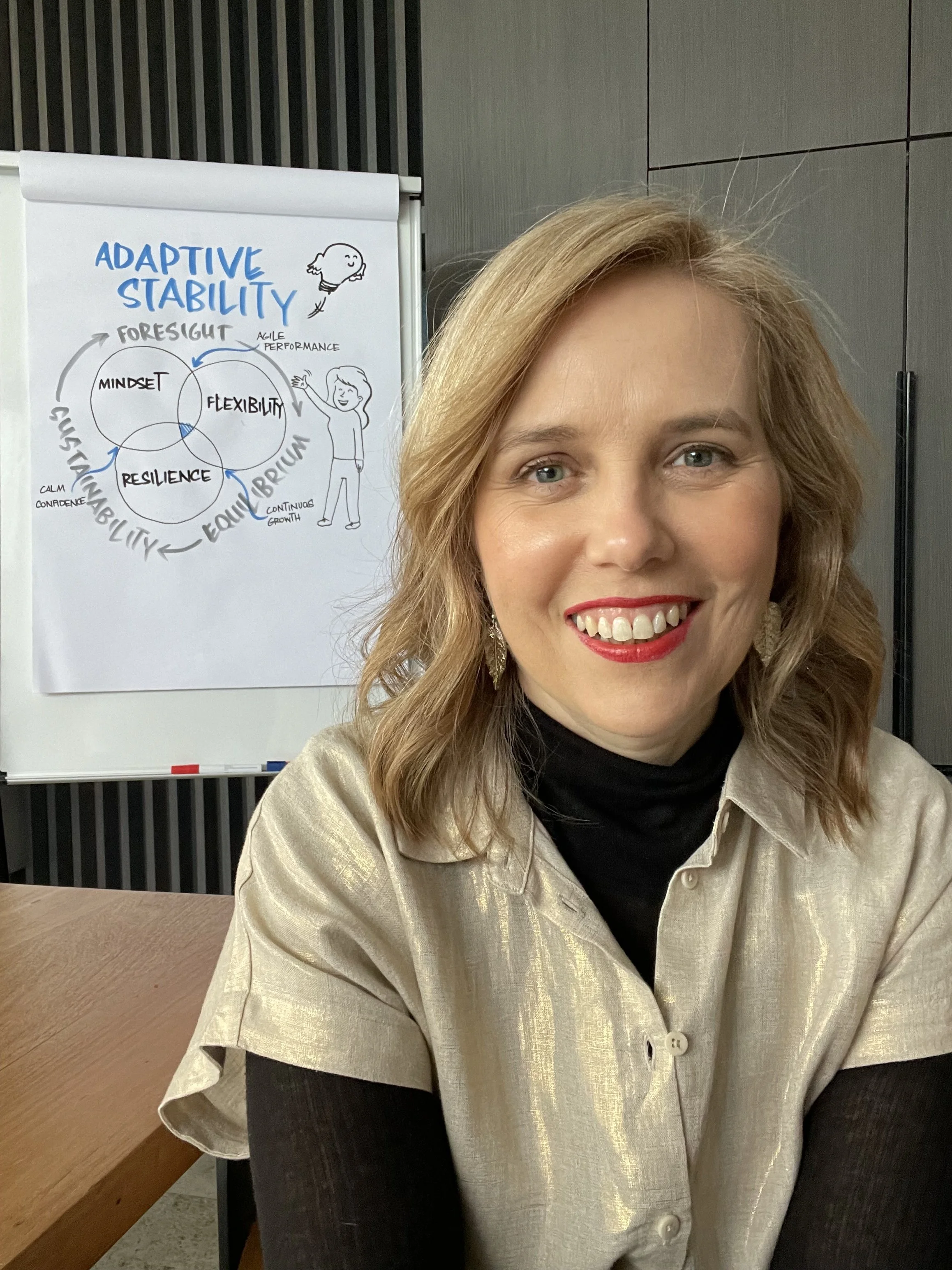
That is what I mean by Adaptive Stability.
Why this matters now
Many leaders I speak with are carrying a heavy load. There is pressure to deliver. There are shifting priorities, tight resources, tired teams, new technology, changing expectations and constant noise.
Even capable leaders can find themselves spending too much time reacting to urgent issues and not enough thinking strategically.
The World Economic Forum’s Global Risks Report 2026 describes this period as the second half of a turbulent decade. It looks at risks across immediate, medium-term and longer-term timeframes, which is a useful reminder that leaders need to manage what is in front of them while still keeping the future in view.
Gallup’s State of the Global Workplace 2026 also shows the pressure inside organisations. Global employee engagement fell to 20 per cent in 2025, its lowest level since 2020. Gallup estimates that low engagement cost the global economy around US$10 trillion in lost productivity.
That matters because leaders are often the people others look to for direction, confidence and steadiness.
McKinsey has also described resilience and adaptability as core leadership capabilities for uncertain conditions. Its work points to the need for leaders to build their own capacity for change while helping others do the same.
This is why Adaptive Stability matters. Uncertainty affects our leadership. It can make decisions harder, drain our energy, reduce our confidence and change the way people relate to each other.
Leaders need ways to stay grounded enough to think clearly, flexible enough to adjust, and resilient enough to keep leading sustainably over time.
What Adaptive Stability looks like
Adaptive Stability has three inner foundations: Mindset, Flexibility and Resilience.
Mindset is about noticing how pressure is affecting your thinking. Are you rushing your decisions? Are you assuming the worst? Are you looking for certainty too quickly? A steadier mindset helps you pause and make more considered decisions.
At the Sydney 2000 Olympics, Cathy Freeman carried enormous public expectation and still found a way to focus on the race in front of her. That kind of mindset matters in leadership too: noticing the pressure, staying connected to purpose, and bringing your attention back to the next important thing.
Flexibility is about adjusting with purpose. It means asking, “What has changed?” “What still matters?” and “What needs to shift?”
Good leaders keep focused on their purpose while adapting the way they get there.
Resilience is about recovery and sustainability. Leaders need energy, space and rhythm if they are going to keep making good decisions over time.
When three bombs went off in the heart of Bali in 2002, burns surgeon Professor Fiona Wood led her team, who faced intense pressure, human suffering and enormous complexity. They saved twenty eight people who had up to ninety-two percent of their body covered in burns. Her leadership showed enormous resilience: staying focused, working with what was in front of her, and using years of preparation and innovation to help people through that crisis.
Like those gum trees in the Flinders Ranges, leaders need to stay grounded, keep adapting and provide shelter for others when conditions are difficult.
A simple way to practise adaptive stability this week
The next time you feel reactive and overwhelmed, take a minute before you respond.
Ask yourself:
What is actually happening? Separate the facts from the assumptions.
What matters most here? Come back to purpose, priorities and people.
What is the most useful next step? Choose the action that creates the most clarity.
This small pause can change the quality of your response.
It gives you a chance to settle your thinking, reconnect with what matters and lead from a steadier place.
Adaptive Stability helps leaders stay grounded, flexible and resilient when the world around them keeps shifting.
What is one situation this week where you could pause before responding, check what is actually happening, and choose a steadier next step?
If this resonated, I'd love to hear what comes up for you. And if you know someone who might benefit from reading it, please feel free to share.
