What if Women Felt Free to Lead Their Way?
By Suzie Thoraval
Progress has been real, yet the conversation about sustainable leadership continues
“Who we are is how we lead.”
During my time as a corporate lawyer, I became a new parent at the same time as three male colleagues. All of our lives had all changed overnight, but the impact on our working days looked quite different.
Despite having babies at home, the other three male colleagues continued staying late at the office and going to after-work drinks where senior leaders gathered informally.
I mostly rushed home to manage childcare pick-ups, dinner and bedtime. My partner was supportive and capable but I wanted to be present for my child.
Looking back, I’m grateful I prioritised being present in those crucial early years of my children’s lives. But there is no getting around the fact that those informal conversations with senior leaders often shaped visibility, sponsorship and later opportunities at work.
Many women leaders may recognise some version of this experience as they navigate the different roles they care deeply about.
Of course, some things have changed since that time.
Flexible work arrangements are more common, fathers are more involved in parenting, and the pandemic accelerated the normalisation of remote work. Many organisations are also far more conscious of supporting parents returning to leadership roles.
Even so, many women still carry a significant share of the planning and coordination that keeps family life running smoothly.
The invisible load many women carry
Leadership today asks a great deal of people, from helping their teams navigate rapid technological change to managing complex stakeholder expectations. We expect a lot from our leaders and the pace of change continues to accelerate.
In addition to their important role in the workplace, many women leaders also carry an invisible additional layer of responsibility. Coordinating sport and music schedules, remembering forms and permissions, vigilance about everyone's emotional and social needs and organising family logistics all occupy mental space.
At the same time, modern work is more fragmented than ever. Emails, instant messages, texts and online meetings constantly compete for attention. Many women respond to these pressures in the same way I once did.
The myth of the superwoman
For many years I believed that the key to manage all those hats was to become very good at multitasking.
Like many women, I wore that ability with pride. My daughter once drew me a Mother’s Day picture of “Super Mum” juggling all the different parts of life.
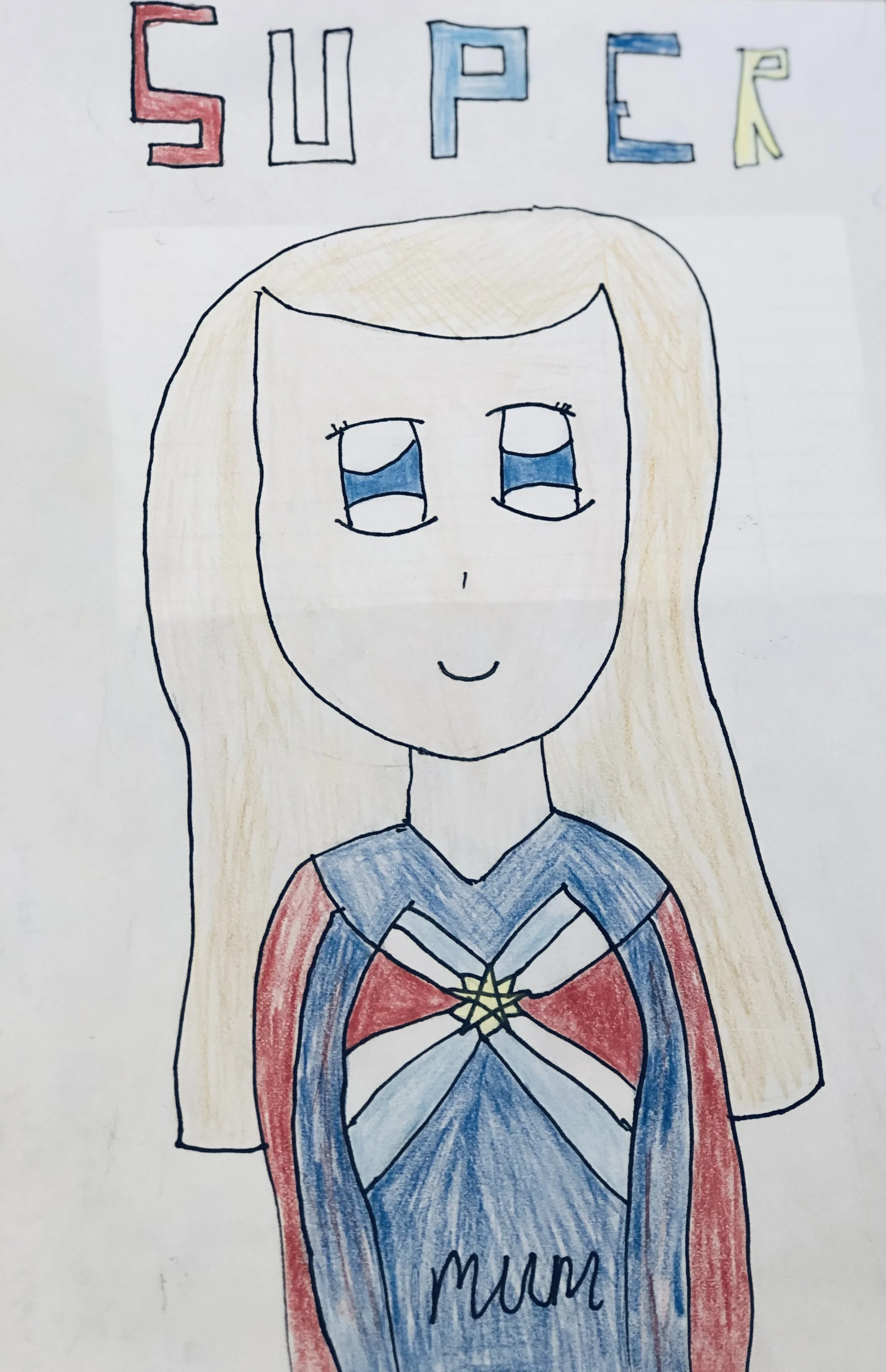
But I’ve come to realise that the superwoman ideal is a myth. Women are not better multitaskers. We are simply doing more.
We can't do it all well
Research shows multitasking reduces accuracy and slows performance for everyone. Studies comparing men and women performing multitasking activities show no performance difference between the groups.
Professor Sophie Leroy explains this through the concept of attention residue. When we move rapidly between tasks, part of our attention remains on the previous one. The more roles and responsibilities we juggle, the more attention becomes fragmented. Our thinking becomes less clear and less effective.
Johann Hari explores a related challenge in his book, Stolen Focus. Modern technology has created constant interruptions through email, workplace chat platforms and phone notifications. Sustained attention is becoming harder to maintain.
These pressures affect leaders across all sectors. They are particularly acute when it is not just work demands competing for your attention, but arranging school excursion permissions, looking out for everyone's emotional and social needs and paying the pet registration on time.
Creating a more sustainable picture of leadership
International Women’s Day is an opportunity to imagine leadership cultures that reflect the realities of modern life.
Women leaders bring many dimensions to their roles at the same time. They may be strategists, parents, mentors, partners, community members and friends.
Each of these roles contributes to the richness of leadership rather than detracting from it. The challenge is believing we must juggle them all simultaneously.
Brigid Schulte writes in Overwhelmed about the cultural tendency to treat busyness as a measure of success.
Many leaders are now rethinking this assumption and exploring ways of working that support focus, wellbeing and thoughtful decision making.
Small shifts that can make a difference
Annabel Crabb writes in The Wife Drought that many professional environments evolved around the assumption that someone else was managing life at home.
While broader structural change remains essential, there are also a few practical shifts within your control that can help create more focus, energy and clarity in the way you work:
Clarifying the few priorities that matter most so attention is directed toward the work with the greatest impact.
Protecting blocks of focused time and reducing unnecessary task switching.
Making the invisible load visible by sharing planning and coordination responsibilities more deliberately at home and at work can free up mental space for leadership.
Rethinking productivity so a full calendar is not mistaken for meaningful progress. Many leaders are discovering that fewer meetings, clearer priorities and protected thinking time lead to better decisions.
Creating boundaries around attention, including setting times to check messages rather than responding continuously helps restore concentration.
Allowing different roles to coexist, recognising that leadership, family and community life can enrich perspective rather than compete with it.
Looking ahead
International Women’s Day celebrates progress and possibility. My hope for the future is that structural change makes it easier for women leaders to feel comfortable being themselves.
I hope they feel free to wear the many hats that matter in their lives.
I hope they lead with clarity about their values and without unnecessary guilt about the different roles they hold.
Leadership becomes stronger when organisations recognise the full complexity of modern working lives and create cultures where people can lead in ways that reflect who they are.
As we mark International Women’s Day, I find myself wondering: What would leadership look like if women felt fully free to lead in ways that reflected who they are and the many roles they hold in their lives?
